

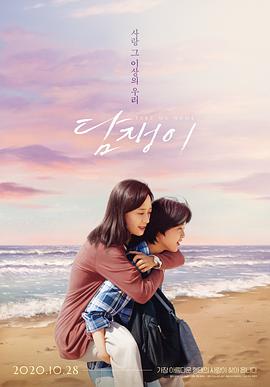
常春藤免费在线观看
简介:Same-sex couple Eunsoo and Yewon are living together happily. One day, a terrible traffic accident occurs and Eunsoo is seriously injured and her sister Eunhae dies. Eunsoo is disabled and Eunhae’s daughter Soomin became an orphan. Now Eunsoo and Yewon are in a position to take charge of Soomin. Take Me Home is a film that questions the meaning of a family. Right after the accident, Yewon says, Are we not family? How can one abandon a family member because of what happened? Eunsoo responds, Family? Who acknowledges us as a family? The three women live together as Yewon wished and they hope to be one family. They seem to be living like a happy (similar) family as they spend daily routines and visit the beach. But, like Eunsoo’s hopeless respond, the norms of the world prevent them from becoming one family. The true virtue of this film is in the ending. Instead of a happy or sad ending, this film, like DO Jonghwan’s poem ‘Ivy’, persistently chooses the road of happiness slowly without rushing even if it takes a detour.
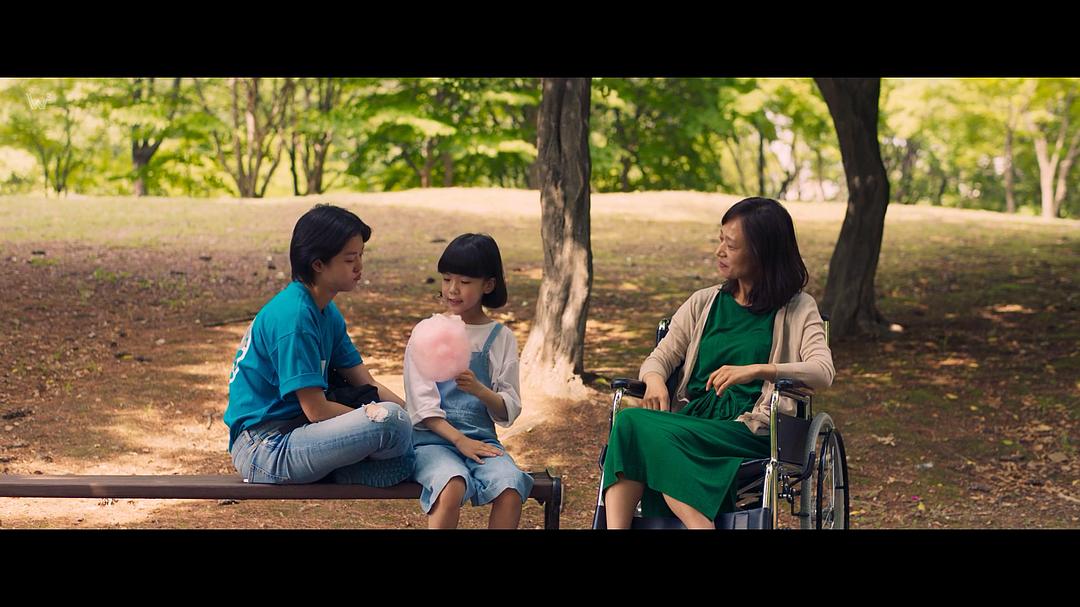
常春藤“这不仅是一部浪漫的电影,也是一部让人们思考家庭和爱情的电影。它通过恩秀、沂源和秀敏的故事探索了家庭的真正意义:家庭不应该仅仅由血缘或法律来定义,而应该由爱来定义。这部电影的名字也有着深刻的意义,象征着即使在逆境中也要努力成长,走向阳光。这部影片让我深刻地意识到,爱和家庭的力量可以克服一切障碍,但社会偏见和不平等会给这些美好的关系带来巨大的压力。它也帮助我更好地理解那些在现实生活中争取平等权利的人。它通过现实的视角呈现了同性伴侣在现实中面临的困难和对未来的希望。”细腻的叙事。电影的结局虽然有点遗憾,但充满了温暖和力量。它让我们相信,无论我们面对多么困难,只要我们心中有爱,我们就能像阳光一样成长常春藤.
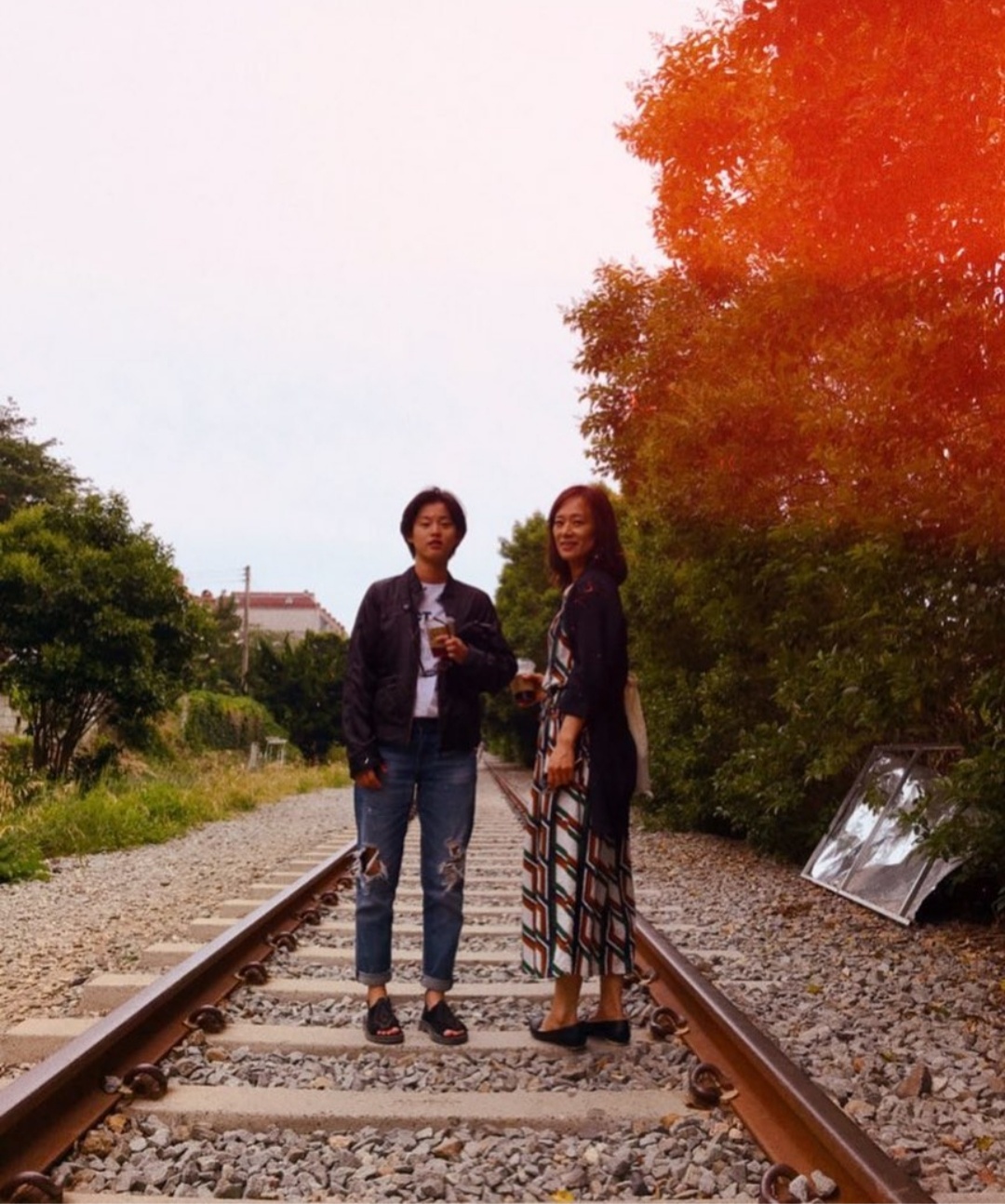
太一般了。主角感情不够甜,车祸断腿也虐不了观众,最后定格在小女孩吹灭蜡烛直视观众的眼神中,导演你要干啥?要硬生生地质问现实“看看你们干的好事,幸福的一家三口都不能在一起”?


